
April Gardening Tips
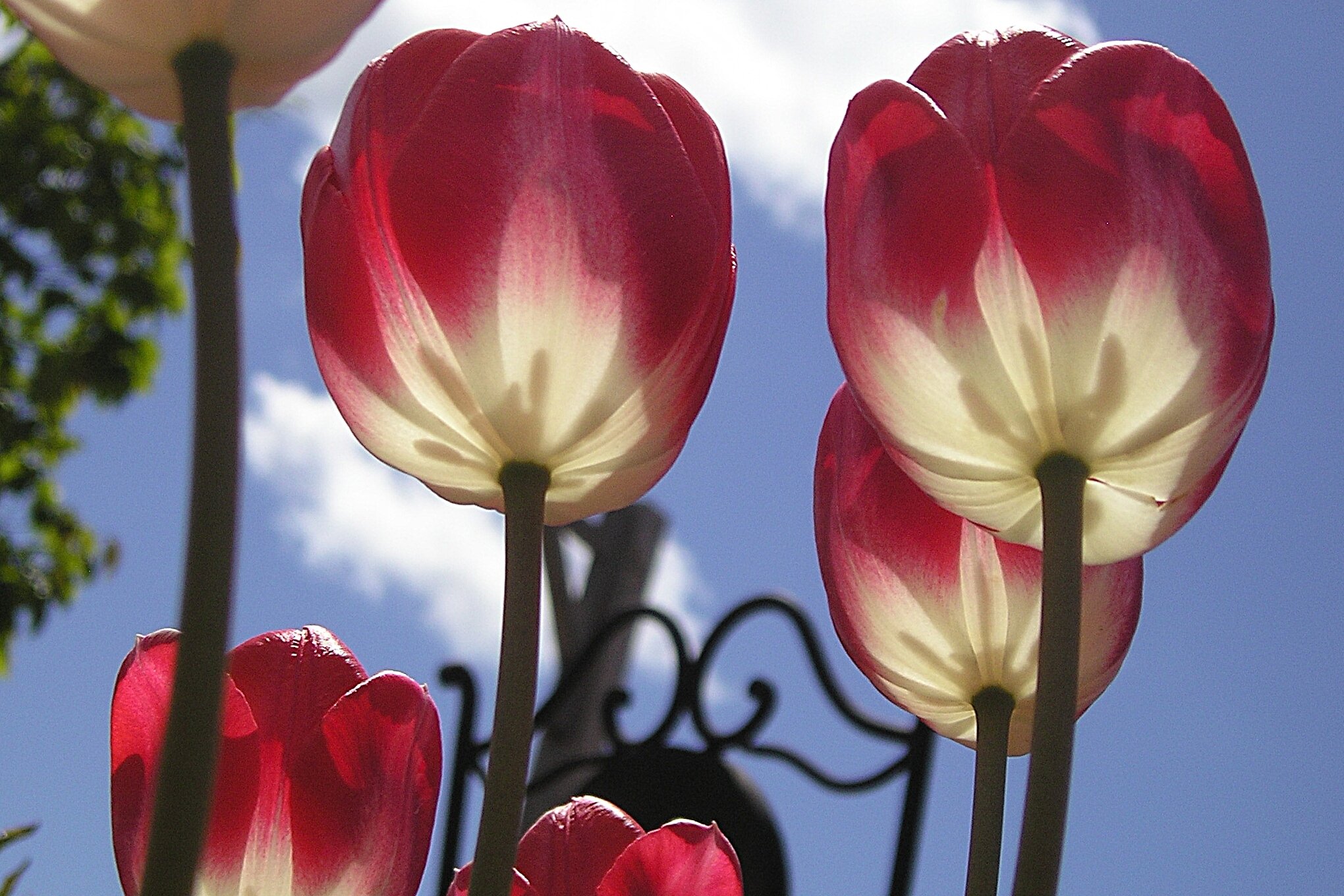
“Winter’s done, and April’s in the skies,
Earth, look up with laughter in your eyes!”
~Charles G. D. Roberts, An April Adoration, 1896
Trees and Shrubs
- April is a good time to transplant shrubs and trees. As soon as the soil is workable, but before buds have swelled or broken open, you can move shrubs and trees.
- It is important to spray your deciduous trees and shrubs, especially fruit trees, with a combination of Lime Sulphur and Dormant Oil to help kill over-wintering insect eggs and fungal spores. These are both Green Earth Products, therefore, not harmful to the environment. This will start the plants out free of pest and diseases in the spring. You should spray roses and other deciduous shrubs before the new leaves begin to emerge, as dormant oil will burn new leaves. Lime sulphur can be sprayed throughout the growing season to treat any fungal problems, as this does not harm leaves. Sprays must not be applied to fruit trees in bloom, as it will harm the bees trying to pollinate the fruit trees.
- Plant French and Common Lilacs in full sun (6 hours or more of direct exposure) in well-drained soil. Purchase larger established shrubs as young plants may need up to five years to begin blooming. Lilacs pruned in spring will never flower. Wait until immediately after flowers fade to prune. The trees spend the rest of the season producing new flower buds for the following year.
- For early spring colour plant Helleborus, Bergenia, Pulmonaria, Dwarf Iris, Flowering Almond shrub, Forsythia, Pansies, Brunnera, Lily of the Valley, Epimedium, Euphorbia, Forget Me Nots, Primula, Violets, Magnolia Trees, Quince, Fragrant Viburnums, Rhododendrons
Annuals
- Now is also the time to get the kids involved in the garden. Help them to plant sunflower seeds, runner beans, come and check out our Fun Seeds for kids by Mr. Fothergill’s.
- Plant Primroses and Pansies for a spring display for your front porch
Perennials
- There is often a strong temptation to start removing winter mulches from your flowerbeds…. WAIT!!! Pull the mulch off gradually as the plants show signs of new growth. The purpose of winter mulch is to act as a protector from sudden changes of temperature and chilling winds, so keep in mind that it is still winter. Acclimatize your plants by removing the mulch over a period of days, allowing the light and air to reach the new growth slowly. It is much better to remove the mulch a little later than to remove it too early.
- Alternating thawing and freezing can tear plant roots and even force the plant right out of its hole. If you notice any plants that have heaved, push them back into the earth, and tamp lightly with your foot.
- Divide and transplant summer blooming perennials and fertilize established ones as soon as new growth appears.
- Plant tender bulbs and tubers (gladiola, lilies and dahlias). You may continue planting additional bulbs every two weeks until mid June to ensure a continuous source of bloom.
- Dig compost into beds once the soil is workable.
- Cut back ornamental grasses & late blooming flowering shrubs.
Bulbs
- Remove all dead blooms from bulbs.
- Fertilize any bulbs that have finished blooming with bone meal or bulb booster.
- Leave spring bulb foliage in place until it yellows or for at least six weeks
- Look for any place where spring colour (bulbs) would be cheerful in the spring. Tulips and Daffodil bulbs are available Labour Day weekend.
Roses
- Roses can be pruned this month (after mid-April). Remove the winter protection. Severe pruning of hybrid tea, floribunda and gradiflora roses results in nicer long stemmed flowers and more compact bushes. Climbing roses and hardy shrub roses require only selective pruning of dead branches and shaping. Begin to spray roses for black spot. Use Dormant Oil before the buds break.
- Remove winter protection.
Vegetables
- Seed cool weather crops such as spinach, lettuce and peas, directly in soil as soon as it can be worked
- If you are looking to start a vegetable garden, start preparing the beds with a mix of manure, compost, and fertilizer to enrich the soil. Stir the mix into the soil to loosen the top layer so that the vegetables can spread their roots easily. Starter sizes of vegetable plants arrive in the garden center in April and are carried through the summer.
- Seeds that were started indoors last month may be transplanted from the flats into peat pots and given dilute fertilizer. Use a mixture of ¼ strength solution of a high phosphorus fertilizer.
- Plant Strawberries, Blueberries, Currants, Loganberries, Boysenberries, Grapes and fruit trees.
Water Gardens
- In your water gardens, it’s time to clean up any dead or dying plants as well as removing dead leaves and other debris from the bottom of the pond
- Clean filters and add dry bacteria to speed up biological activity
Lawns
- Time to rake, repair and re-seed if there was crabgrass in the lawn last year. Crabgrass is an annual that reseeds itself. If crabgrass was present last year, it will be there this year …prevent it from re-appearing next year
- Fertilize your lawn with crabgrass preventer in early spring. This contains corn gluten that prevents the crab grass seeds from germinating.
- Damage from last summer’s white grubs will become obvious as dead patches appear on the lawn. Skunks and raccoons will soon start to dig up the lawn looking for the grubs as they re-emerge to once again feed on the grass roots before they evolve to become June beetles.
- Top dress and over seed your lawn once the risk of frost has past to thicken the lawn to prevent other weed seeds from settling in the lawn and to repair damage from white grubs.
Container Plants
- In need of some spring colour? Plant a spring container for the front door with pansies and early bulbs.
House Plants
- Houseplants will react to longer days and brighter light at this time by putting out new growth. The end of this month is a good time to pinch them back to generate new growth and to thicken them. You can then begin fertilizing again with a dilute solution of soluble houseplant food. Transplant any pot-bound houseplants at this time.
- Turn your houseplants a quarter turn each week to make sure all sides of the plant receive adequate light, and to keep the shape of the plant balanced.
- Mist or spray your houseplants to clean away the winter’s dust, prevent Spider Mites and add a little humidity.
Jobs
- Speed up decomposition in your compost pile by turning it with a pitchfork every couple of weeks
- Check trellis and support wires on climbers before the plants are fully developed. Winds, frost and snow can often dislodge supports during the winter.
- Check the brackets used for hanging baskets. Once the flowers are in full bloom and compost is moist they will become much heavier.
- The most dreaded tasks of all is weeding, but it is one that really needs to be accomplished before the weeds have a chance to flower and go to seed. Remember once the weeds go to seed you can be fighting that weed seed for up to seven years or more. Most weeds can simply be pulled or cultivated out of the garden while they are young.
- Repair damaged areas of the lawn. Apply Dolomite Lime to sweeten the soil if the soil is too acidic. A quick soil test will answer that question. Most lawns will need a spring feeding but if thatching or liming needs to be done, do those jobs first. Over-seeding can be done as the last step, seven days after the lawn has been fertilized.
- As the snows melt, this is a good time to note areas of poor drainage. If there are pools of water in the yard that do not drain, fill in the low spot or scoop out a channel for the water to drain away.
- Clean out all of your birdhouses now, so that they will be ready when the birds return.